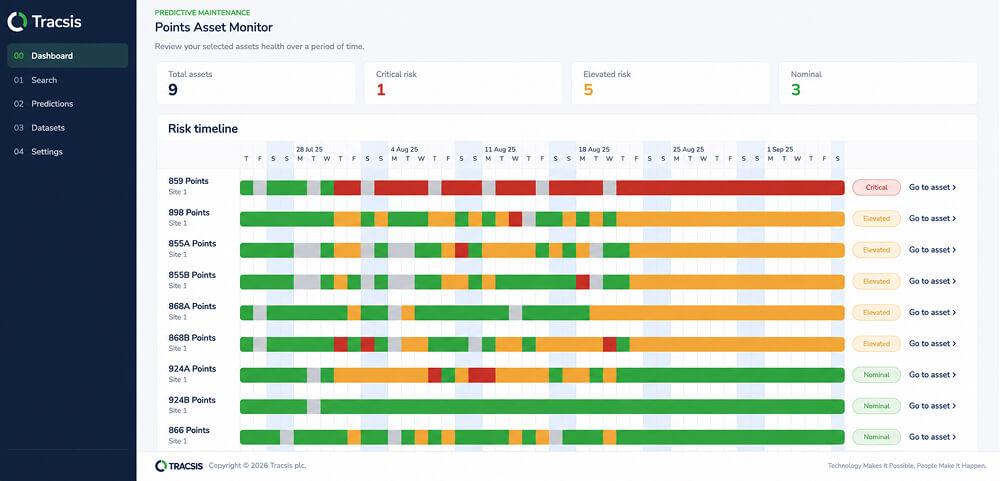
Why now? The conditions are set for industry transformation
Predictive maintenance has been discussed in rail for years, with very little to show for it in terms of deployable solutions. Now, the combination of better data, new technology and growing operational need has meant viable predictive maintenance is moving from concept to reality.
Operators globally are entering a generational push for modernisation, with examples such GBRx in the UK specifically prioritising the exploration of artificial intelligence in various use cases, including asset management.
Growing pressures: a need to do more with less
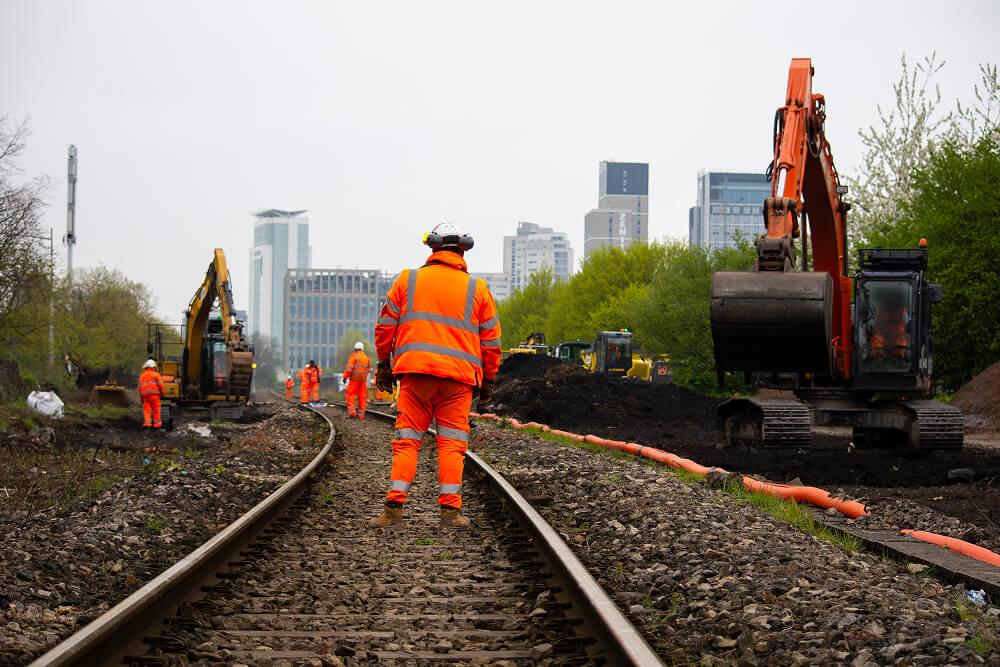
Several changes are making innovation increasingly important. The first is network utilisation. This growing use of infrastructure makes reliability more crucial than ever, while putting greater pressure on the assets supporting the services. And in a purely practical sense, a busy operational railway is harder for engineering teams to access.
Secondly, financial pressures are growing. Globally, the rail industry is being asked to deliver more, with greater efficiency, all within a challenging cost environment being driven by inflation and other financial constraints. Maintaining existing assets efficiently and sustainably helps operators achieve savings, so the pressure inevitably cascades down to on-the-ground infrastructure teams.
Finally, the technology needed to approach maintenance decisions differently is now developing rapidly. Artificial intelligence and machine learning technology are now vastly more affordable, accessible and capable than ever before, meaning the pressure to utilise it – and the opportunity cost of not utilising it – are building.
Better data: Remote Condition Monitoring has laid the groundwork
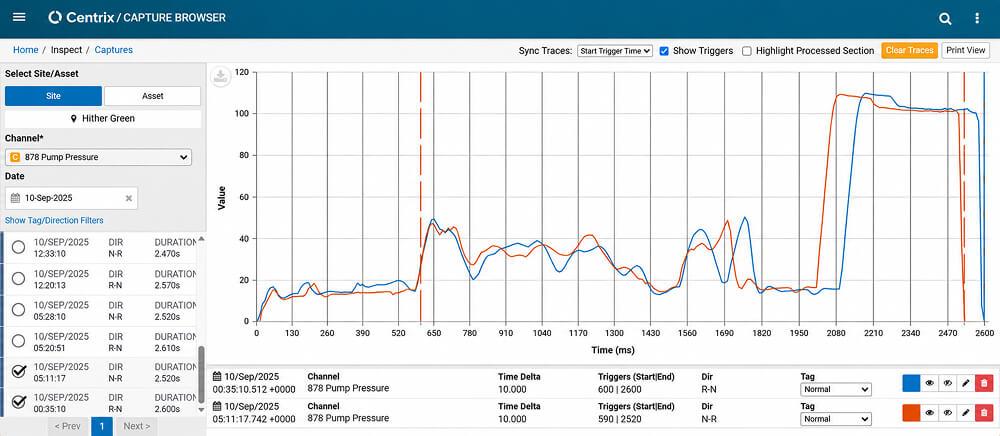
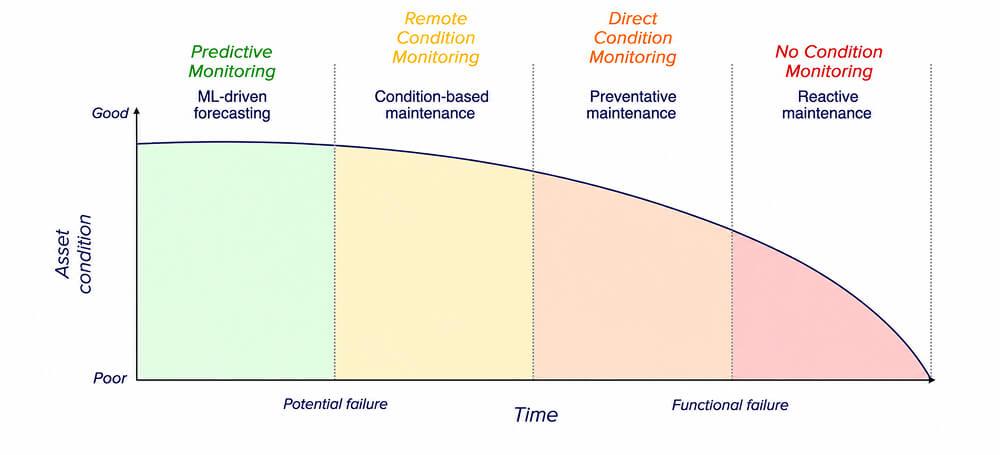
RCM has already changed the relationship between engineers and infrastructure. Rather than relying exclusively on physical inspection to understand asset behaviour, engineering teams can remotely view data from geographically dispersed equipment. Depending on the asset, this might include measurements such as electrical current, hydraulic pressure, position, movement, operating time and other technical variables. This provides a much richer picture of condition than was previously possible.
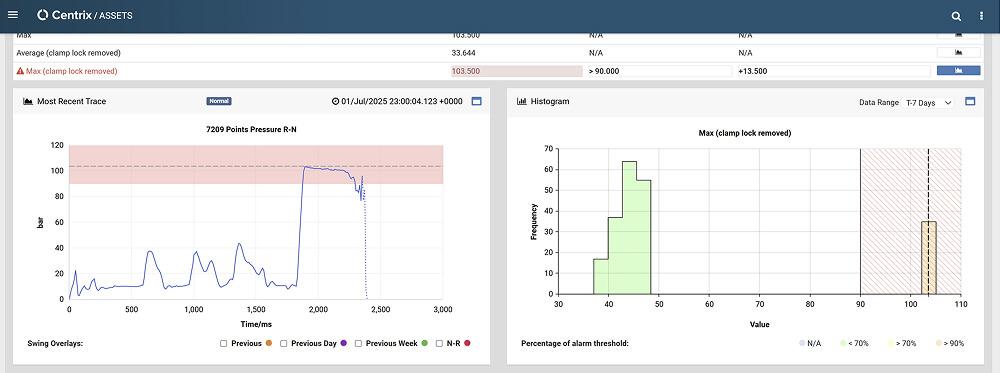
Current RCM approaches typically use configured rules and thresholds to help teams identify potential problems. When a measurement moves outside an expected range, an alarm can direct an engineer towards the affected asset. This is hugely valuable, but it has limitations as a threshold only provides part of the picture.